
Helpline Number
+91-99550-11433
+91-91538-45884
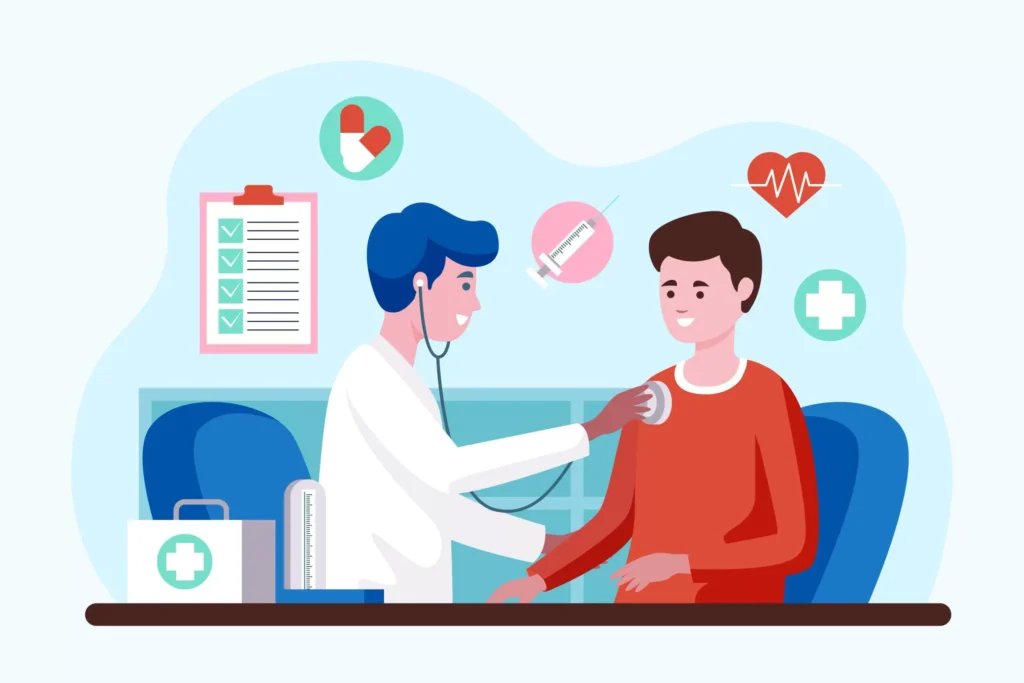
Modern life often keeps people busy with work, family responsibilities, and daily commitments, causing health to become something that receives attention only when problems appear. However, many serious health conditions develop gradually and may not show visible symptoms in the early stages. This is why regular health checkups are one of the most important investments a person can make for long-term well-being.
Routine medical examinations are not only about detecting illness—they are about maintaining health, preventing complications, identifying risks early, and helping individuals make informed decisions about their lifestyle and medical care.
Understanding Regular Health Checkups
A regular health checkup is a preventive healthcare examination designed to evaluate your overall health condition. These checkups help healthcare professionals monitor key indicators of physical well-being and identify early warning signs before they become major medical concerns.
A health checkup may include:
- General physical examination
- Blood pressure monitoring
- Blood sugar testing
- Cholesterol screening
- Heart health assessment
- Complete blood investigations
- Kidney and liver function tests
- Weight and body composition evaluation
- Imaging and diagnostic screenings (when recommended)
The exact tests may vary depending on age, gender, medical history, and lifestyle factors.
Why Preventive Healthcare Matters
Preventive healthcare focuses on staying healthy instead of waiting for symptoms to appear. Many serious diseases can be controlled or treated more effectively when detected early.
Conditions such as high blood pressure, diabetes, heart disease, thyroid disorders, and certain forms of cancer may progress silently for months or even years before noticeable symptoms develop.
Regular health screenings create opportunities to detect these issues during their earliest stages.
Early Detection Can Make a Major Difference
One of the greatest benefits of routine health checkups is early diagnosis.
When diseases are identified early:
- Treatment options are often simpler
- Recovery outcomes may improve
- Medical costs can be reduced
- Complications may be prevented
- Quality of life can remain higher
For example, identifying elevated blood pressure during a routine visit allows lifestyle changes and treatment before serious cardiovascular complications develop.
Similarly, discovering abnormal blood sugar levels early may help prevent long-term complications associated with uncontrolled diabetes.
Silent Conditions That Often Go Undetected
Several common medical conditions may show little or no symptoms during the initial stages.
High Blood Pressure
Often called a “silent condition,” high blood pressure may remain unnoticed while affecting the heart, kidneys, and blood vessels.
Diabetes
Early diabetes can develop gradually and may only become noticeable after complications begin to appear.
High Cholesterol
Elevated cholesterol levels often do not produce symptoms but can increase cardiovascular risk over time.
Thyroid Disorders
Changes in metabolism, energy levels, and weight can sometimes go unnoticed without screening.
Kidney and Liver Conditions
Routine laboratory testing may reveal abnormalities long before physical symptoms occur.
Health Checkups Help Build Long-Term Healthy Habits
Regular medical evaluations do more than identify disease—they encourage healthier lifestyle decisions.
During checkups, healthcare professionals often provide guidance regarding:
Nutrition
Balanced eating habits support energy, immunity, and overall wellness.
Physical Activity
Exercise recommendations can improve cardiovascular and metabolic health.
Sleep Quality
Adequate sleep contributes to better physical and mental performance.
Stress Management
Long-term stress can affect multiple body systems and overall health.
Preventive Care
Vaccinations and recommended screenings help reduce health risks.
These discussions help individuals make gradual improvements that support long-term wellness.
Age-Based Importance of Health Checkups
Health monitoring needs change throughout different stages of life.
Children and Adolescents
Regular visits support growth monitoring, vaccination schedules, and developmental assessments.
Adults (20–40 Years)
Routine screenings help establish healthy baselines and identify emerging health concerns.
Middle Age (40–60 Years)
This stage often requires more focused screening for blood pressure, heart health, diabetes, and metabolic conditions.
Older Adults
Comprehensive monitoring supports early management of age-related health changes and chronic conditions.
Health Checkups Support Better Heart Health
Cardiovascular diseases remain one of the most significant health concerns worldwide.
Routine evaluations can help monitor:
- Blood pressure
- Cholesterol levels
- Weight management
- Blood sugar control
- Heart rhythm indicators
Identifying risk factors early supports better prevention and healthier outcomes.
Mental and Emotional Well-Being Matters Too
Health extends beyond physical conditions.
Regular medical consultations can also encourage conversations around:
- Stress levels
- Emotional wellness
- Sleep concerns
- Lifestyle balance
- Overall quality of life
Addressing these factors contributes to better overall health and daily functioning.
Common Reasons People Delay Health Checkups
Many people postpone medical examinations due to:
- Busy schedules
- Feeling healthy
- Fear of results
- Assuming symptoms are minor
- Waiting until illness becomes noticeable
However, delaying evaluation may allow manageable issues to become more complex over time.
Preventive care is often easier than corrective treatment.
Simple Steps to Make Health Checkups a Routine
Building a preventive healthcare habit does not need to be complicated.
Try these practical steps:
- Schedule annual health assessments.
- Track previous reports and recommendations.
- Follow preventive screening timelines.
- Maintain healthy daily habits.
- Consult healthcare professionals when changes occur.
Consistency creates better awareness and supports long-term wellness.
Invest in Your Health Before Problems Begin
Good health is one of life’s most valuable assets. Regular health checkups provide an opportunity to understand your body, detect changes early, and make informed decisions that support a healthier future.
Waiting for symptoms to appear may delay diagnosis and treatment. Preventive healthcare empowers individuals to take an active role in maintaining well-being and reducing long-term health risks.
Make health a priority—not only when illness appears, but as part of everyday life.
Regular health checkups do more than identify illness—they help protect your future, support healthier living, and can truly save lives.